
Why Florida homes need a different kind of window
Florida windows live a harder life than windows almost anywhere else in the country. They take eight to nine months of direct sun, daily afternoon thunderstorms, salt-laden coastal air, and the threat of a tropical system pushing flying debris across the yard. A window built for a mild northern climate simply cannot keep up. Hurricane-rated windows are designed around those Florida-specific stresses — laminated impact glass, reinforced frames, tested anchoring, and water-management details that account for sideways rain.
The phrase "hurricane window" gets used loosely in marketing. In the Florida Building Code, what matters is whether the entire window system — frame, glazing, hardware, and fasteners — passed the large missile impact test (a 9-pound 2x4 fired at the glass) and the cyclic pressure test that simulates a storm's pressure swings. A product that passes both gets a Florida Product Approval or Miami-Dade NOA, and that approval is what your building department checks against during permitting.
What the Florida Building Code actually requires
The Florida Building Code defines a wind-borne debris region along most of the state's coastline and in selected inland areas. Inside that region, every opening — windows, doors, garage doors, even some attic vents — needs either impact-rated products or code-approved opening protection like shutters. Outside the region, impact products are optional but increasingly chosen. For a deeper walk-through, see our Florida Building Code & impact windows guide.
Wind-borne debris region vs HVHZ
Most homeowners assume "HVHZ" applies statewide — it doesn't. HVHZ (the High Velocity Hurricane Zone) covers Miami-Dade and Broward counties. Central Florida sits in the standard wind-borne debris region, which has its own approval pathway. The practical effect: most products approved for Central Florida are not automatically approved for HVHZ, and vice versa. We verify approvals against your jurisdiction before ordering.
Not sure whether your address requires impact windows? Ask us — we'll check before quoting anything.
Request an estimateWhat's actually inside a hurricane-rated window
A hurricane-rated window is built around laminated glass: two panes of glass bonded to a tough plastic interlayer (usually PVB or SGP). When something hits it hard enough to crack the glass, the interlayer holds the broken pieces in place so the opening stays sealed. That seal is what actually protects the home — once a window blows out during a storm, internal pressure spikes and roofs are at risk. The frame is then reinforced and anchored to handle the same pressure swings without flexing out of its opening.
Hurricane glass is almost always paired with a high-performance coating. Low-E glass reflects infrared heat to lower cooling bills. UV-blocking interlayers protect floors and furniture. Many homeowners also notice meaningful noise reduction — laminated glass dampens road, lawn-equipment, and aircraft noise more effectively than standard insulated glass. For an in-depth look at non-storm benefits, see our companion page on impact windows in Florida.
What the project looks like from your side
- Free in-home consultation. We walk every opening, ask about goals (storm, energy, noise, security, all of the above), and explain what your address requires. No high-pressure tactics.
- Precise measurement. Florida block-and-stucco homes rarely have square openings. We measure each one individually rather than averaging.
- Product selection in writing. Frame material, glass package, color, grids, and hardware go on the quote so there are no surprises later.
- Permit and product approval. We submit Florida Product Approval documentation with the permit application to your building department.
- Installation. Most homes install in one to three working days. We protect floors, contain dust, and clean up at end of day.
- Final inspection and wind mitigation paperwork. The building department signs off, and you receive documentation you can hand to your insurance agent.
Real Florida replacement projects
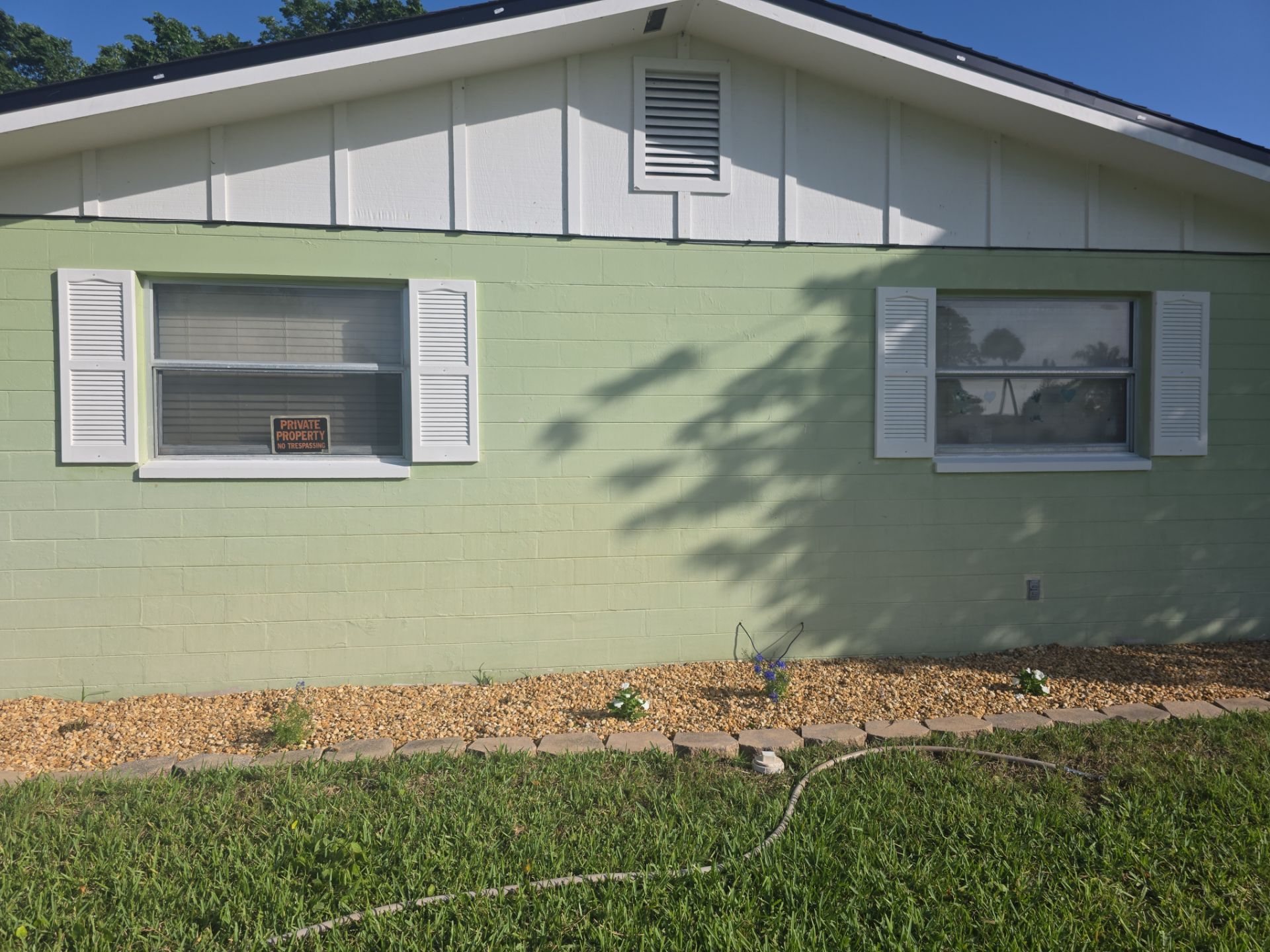
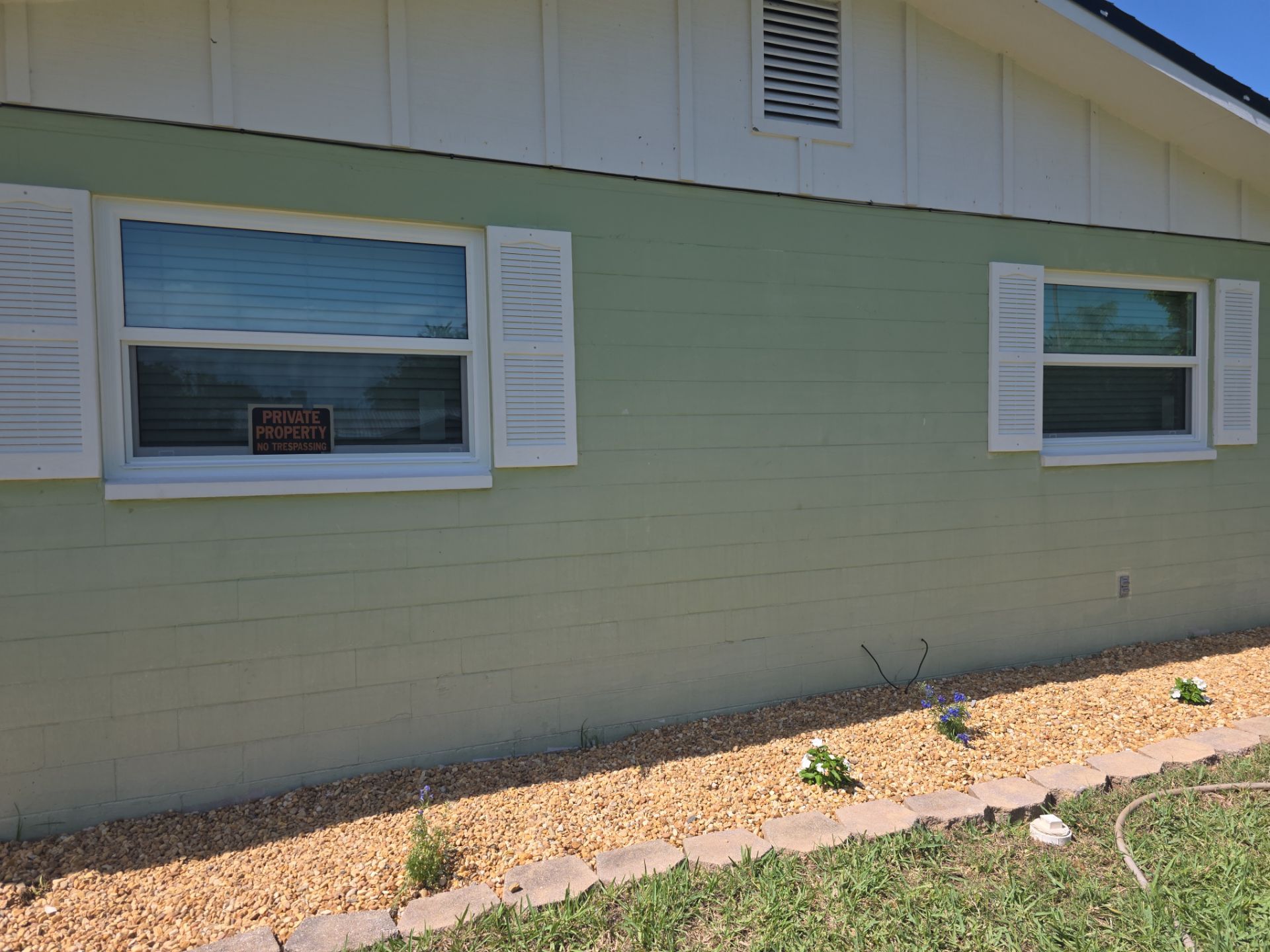
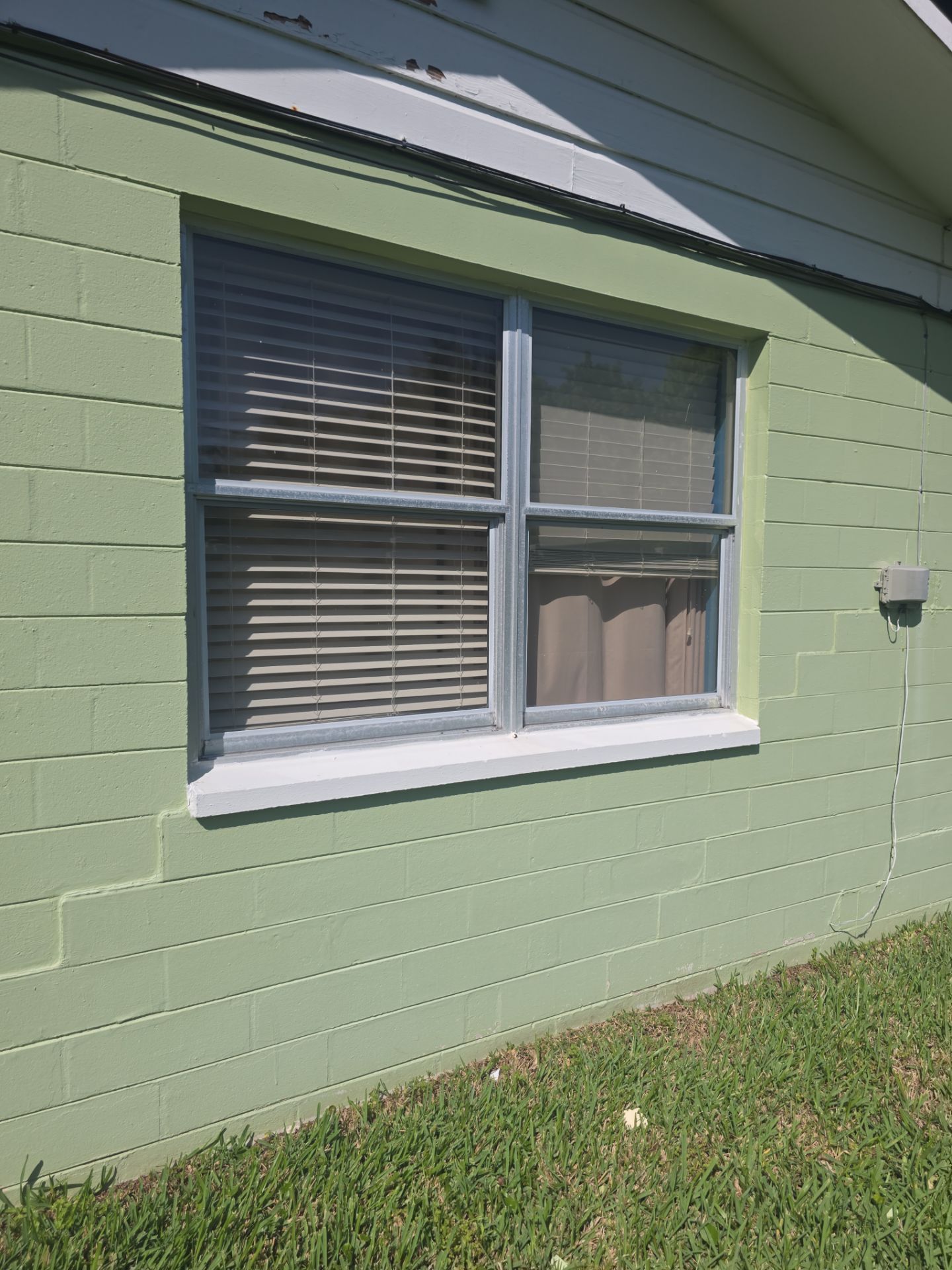
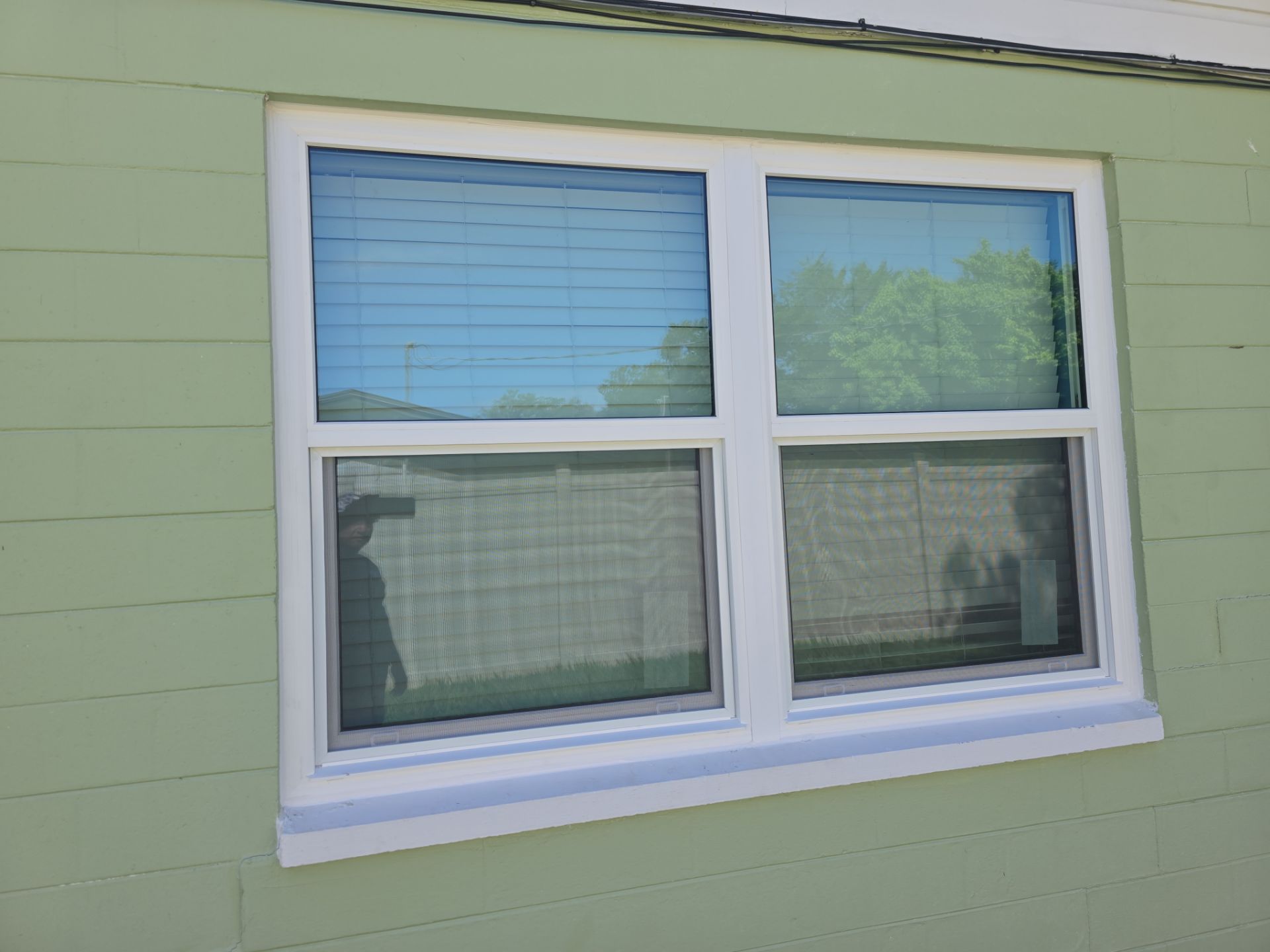
Original aluminum-frame windows replaced with new units on a Central Florida block home.
Cost, timing, and what's realistic
We don't publish a flat per-window price because honest Florida hurricane window pricing depends on too many real factors — opening size and shape, wall type (frame vs block vs stucco-over-block), product line, glass package, grid pattern, color, threshold and sill conditions, jurisdiction, and access. A 12-window contemporary block home on a slab is a very different job than a 24-window two-story with arched openings. Pricing is confirmed during your in-home consultation, in writing, with no surprise change orders.
For the underlying cost factors and how to think about your budget, our hurricane window cost guide breaks down what actually moves the price.
When to start a hurricane window project
The honest answer: as soon as you've decided you want them. Product lead times stretch every June through November. Starting in winter or early spring usually means having new windows installed before peak hurricane season. Starting in August often means installing the following spring. For a checklist of what to do right now if your existing windows are marginal, see our hurricane season window prep guide.
We work across Volusia, Seminole, Orange, Lake, and Flagler counties — from beachside homes inside the wind-borne debris region to inland subdivisions where impact glass is a homeowner choice rather than a code requirement.
Schedule a free in-home estimate. We'll confirm your code requirements and walk through realistic product options.
Request an estimateHurricane windows in Florida: frequently asked questions
- A hurricane-rated window is a tested system — frame, glazing, and anchoring — that has passed the large missile impact and cyclic pressure tests required by the Florida Building Code for the wind-borne debris region. The glass is laminated, meaning two panes are bonded to an interlayer that holds the glass together when it cracks. The frame and fasteners are tested at the same time, which is why you cannot simply swap impact glass into a non-impact frame and call it hurricane-rated.
- It depends on your address. Homes inside the wind-borne debris region — most of coastal Florida and parts of inland Central Florida — must protect openings either with impact-rated products or with code-approved shutter systems when windows or doors are replaced. Homes outside the debris region are not required to use impact windows, but many homeowners choose them anyway for security, noise, and peace of mind. We confirm the requirement for your specific parcel during the consultation.
- Yes. Window and door replacement is a permitted activity in every Florida jurisdiction. The permit verifies that the product has a current Florida Product Approval or Miami-Dade NOA, that the anchoring schedule matches the wall type, and that the installation passes a final inspection. We pull the permit, submit the approval documentation, and meet the inspector on site so you don't have to.
- Most projects run roughly 8 to 14 weeks total. The estimate and contract take a few days. Product fabrication is the longest stretch — typically 6 to 10 weeks depending on the manufacturer and product line. Permitting overlaps with fabrication. Installation usually takes one to three working days for a typical full-home project, followed by a final inspection within a week or two.
- Many Florida insurers offer wind mitigation credits when opening protection meets specific criteria, but the actual change to your premium depends on your insurer, your policy, your roof, and other mitigation factors documented on the wind mitigation form (OIR-B1-1802). We can explain how impact windows interact with that form, but the dollar amount is between you and your insurance carrier.
- Yes. Permits, inspections, and installations continue year-round. The only thing hurricane season changes is product lead time — demand spikes after named storms make landfall, which can stretch fabrication windows. If you want new windows in place before the next active stretch of the season, starting earlier in the year gives you more options.
Have a question that isn't covered here? Send it through our contact form and we'll answer directly.